
Building the Blueprint: The Behind-the-Scenes Journey of the Snohomish County Early Education and Care Report
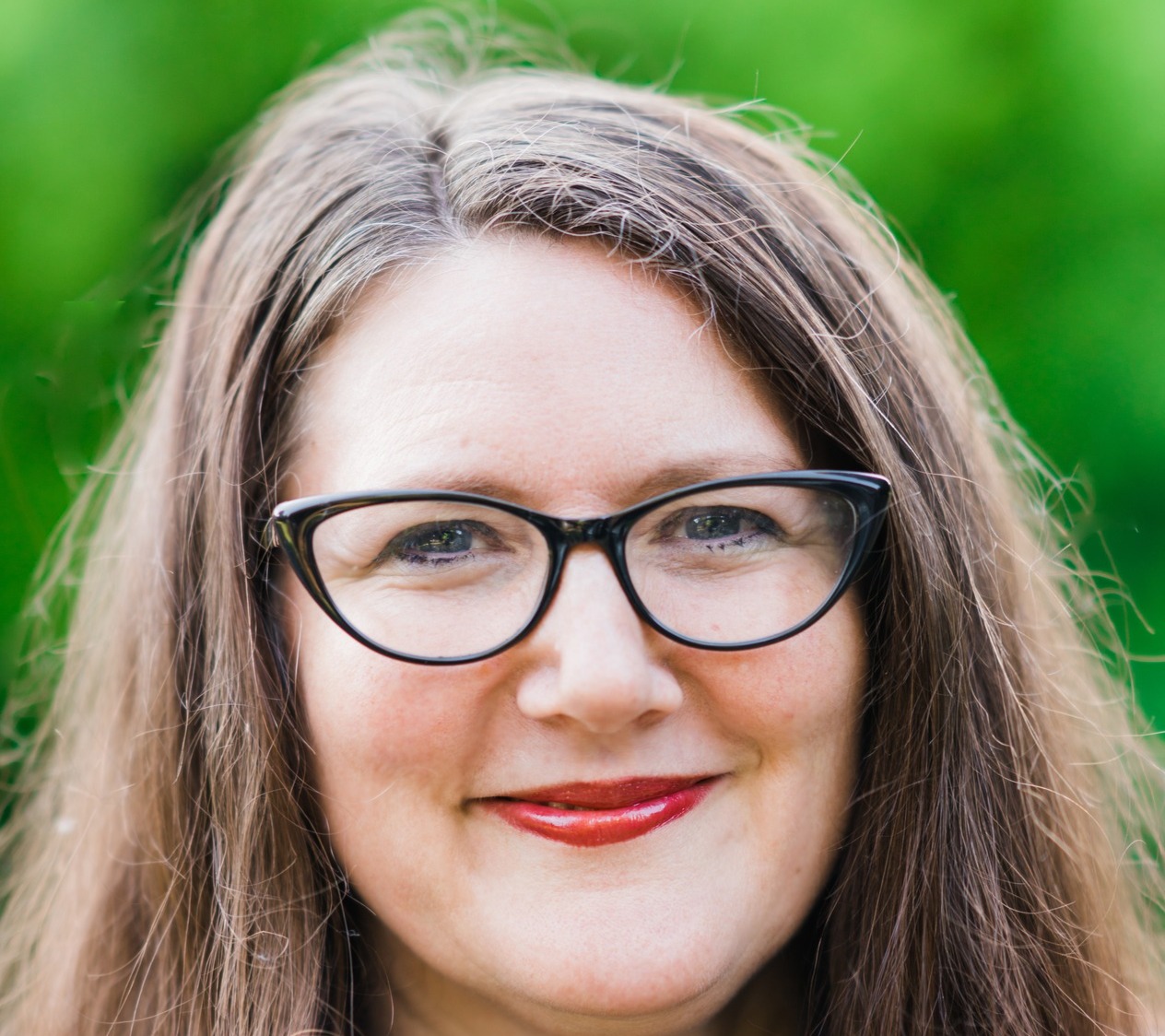

Last year, as the Director of the Snohomish County Early Learning Coalition, I collaborated with Meena Das, our data consultant, and Mary Hsu, my administrative assistant, to reflect on this groundbreaking early learning report for Snohomish County. As professionals committed to equity and drawing from our own lived experiences as part of communities of color and the LGBTQIA+ community, we approached this work with conviction to amplify voices that are often overlooked. Below is my write-up based on insights from Mary and Meena. The report was released in June of 2025.
_________
When we set out to create the Snohomish County Early Education and Care Report, we weren't just writing a document—we were building a map where none existed. As team members Mary Hsu and Meena Das reflect, the process was a masterclass in adaptability, persistence, and the raw work of community connection.
Starting from Scratch: The Hunt for Representation
We began with a blank slate. To make this report legitimate, we knew we couldn’t just talk to the "usual suspects." We needed a representative sampling that reflected the true soul of Snohomish County. This meant reaching deep into BIPOC communities, LGBTQ+ families, immigrant populations, and Tribal communities.
"Outreach and vetting took up nearly two-thirds of our time. Debbie created the outreach plan, developed the outreach materials, and executed the outreach," Mary recalls. The team worked tirelessly to ensure confidentiality and build the trust necessary to collect sensitive data. We relied on libraries, nonprofits, local Facebook groups, early learning professionals, the Early Learning Leadership Council of Snohomish County, Meena’s lists of diverse families, and our persistent hard work to find those often excluded from the conversation. It was an exhausting sprint to ensure our data had the credibility needed to drive real change.

The Complexity of Equity-Centered Data
While the outreach was a feat of community organizing, the analysis was a feat of data science. Meena Das notes that the biggest obstacle was the complexity of performing deep, equity-centered analysis on a 500-person dataset within a compressed timeline.
"It took time to clean, disaggregate, and interpret the data in ways that honored families’ and providers’ identities and stories," Meena says. One of the project's greatest achievements was successfully centering historically marginalized identities—including families of children with disabilities and LGBTQIA2S+ parents—and turning those voices into concrete, data-backed recommendations for systems and funders.
Navigating the Terrain
The "terrain" of early learning is often complicated by turf wars and competition for limited resources. Navigating these professional landscapes required a thoughtful team and an Early Learning Leadership Council that could see past the "turf" to the bigger picture.
One of the greatest challenges was the clock. Finding the right consultants in a short window was difficult, and being deadline-driven meant fighting for the time needed for a robust methodology. When initial drafts lacked the necessary depth, the team stepped in to re-edit, ensuring the report wasn’t just a collection of numbers, but a meaningful look at the systemic biases and challenges facing our community.
What We Discovered: The Disconnect
The finished report revealed a sobering reality. Despite government subsidies, too many families remain "on the outside." We were surprised by the number of outliers—families struggling despite being eligible for subsidies, or those in desperate need who missed the qualification cutoff.
The analysis pointed to a major disconnect:
The Marketing Gap: Providers often struggle to market services effectively to those who need them most.
The Resource Void: Many parents do not know how to access existing services or find themselves stuck in the "subsidy gap."
The Impact Question: While government entities want funding to have a greater impact, the report shows the current system is not yet reaching every corner of our county.
Lessons for the Future
Reflecting on the process, the team identified ways to strengthen future research. Meena suggests that a "Part 2" report should dive deeper into the experiences of infants, toddlers, and home-based (FFN) providers and the impacts on BIPOC, immigrant and LGBTQIA+ families. There is also a desire to ask tougher questions about actual child care costs for providers—not just what is charged, but "what feels affordable" to providers to cover the cost of care fully—and to track provider burnout more closely.

For the team, this was more than a data-collection exercise; it was a profound learning experience. "This has been one of the most meaningful and complex projects I have worked on," Meena reflects. "I am deeply grateful for the trust to hold this data and for our collaboration in shaping an early learning story rooted in equity."
The Path Forward
The Snohomish County Early Education and Care Report is a call to action. It tells us that while the problems are persistent, the opportunity for better marketing, the expansion of subsidies to a broader socioeconomic pool, and a more inclusive infrastructure is within our reach. We’ve built the map—now it’s time to follow it toward a better-resourced future for all our families.
After thoughts:
It was an honor to collaborate with both Mary Hsu and Meena Das on this important report and to hear their reflections nearly a year later. I founded Washington Families Thrive with a clear understanding of the findings in this report: providers need help filling their child care slots and connecting with the right families, while families require assistance in locating affordable child care that fits their budget, schedules, and proximity. Additionally, families need guidance in navigating the child care landscape to find the special education expertise, culturally responsive care, and safe, reliable services and education that they desire for their children.
Written by Debbie Carlsen



Comments