
Krista Sipherd, Director at Kid’s Country Learning Center in Monroe, Washington
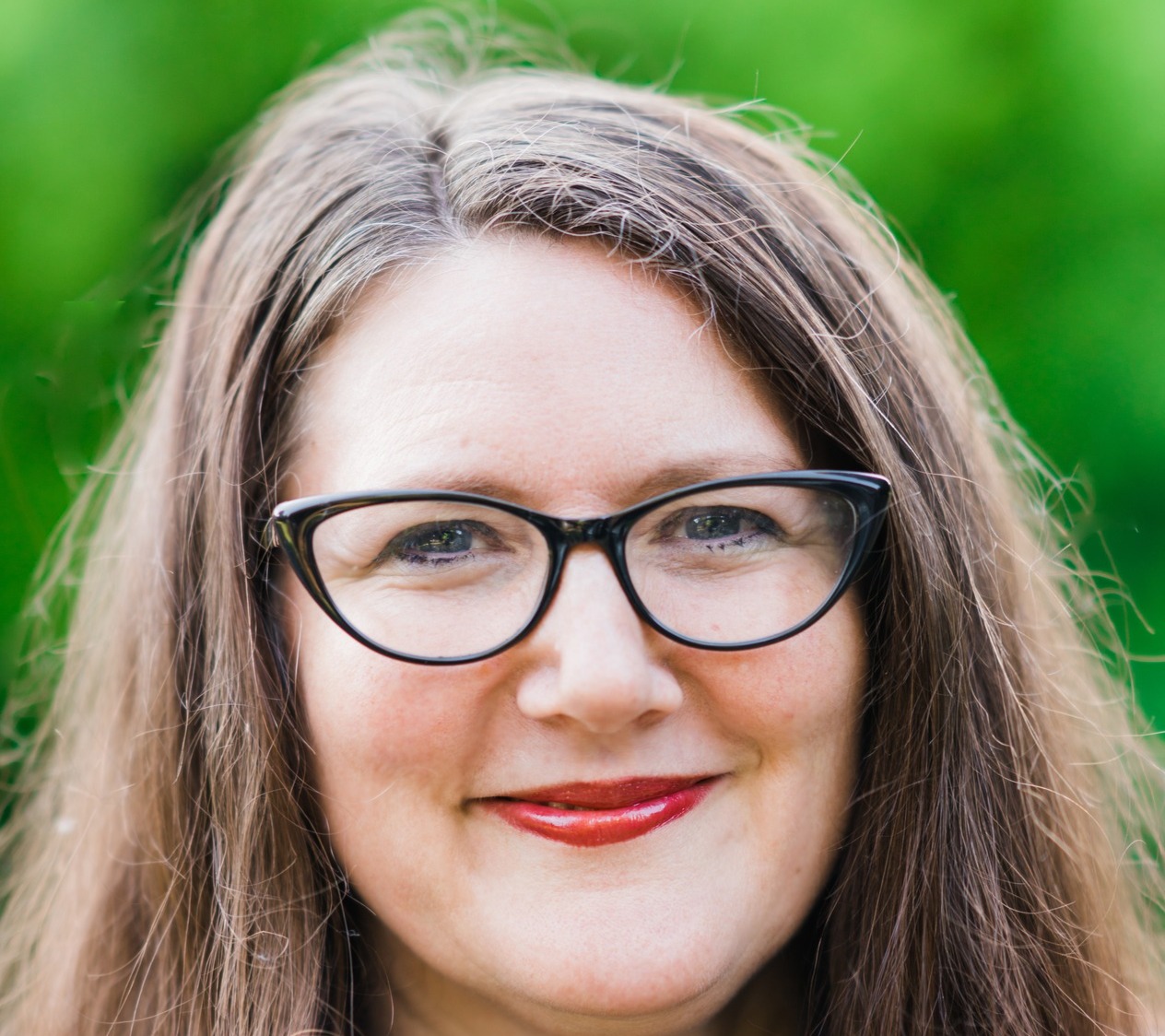

I met Krista for the first time this week, and it felt like catching up with an old co-worker — warm, easy, and full of purpose. Her passion for early learning is rooted in a lifetime of caring. Growing up with four siblings, she learned early what it means to nurture and protect. After high school, she found her calling at the Early Learning Center in Seattle, where compassionate mentors invested in her growth and even supported her through college. Though she explored other paths — from Digital Film and Video Production at the Art Institute of Seattle to stepping away to raise her daughter — the classroom kept calling. Krista taught for 13 years before stepping into leadership after the turbulent COVID years; today, she serves on the Pacific Northwest Chapter of WAEYC board and leads Kid’s Country with steady conviction.
Kid’s Country is more than a childcare center — it’s a sanctuary for a richly diverse community. The center welcomes infants through pre-K, offers after-school and drop-in care, and supports foster, adopted, Spanish-speaking, and homeless families, as well as those using subsidies and private pay. Half the families are people of color, yet every family shares the same hope: a safe place where their children can thrive.
What's occurring in the local child care sector?
The past few years have laid bare new and deeper challenges. Resilience is stretched thin across classrooms and homes as families face crises from addiction and housing instability to the trauma of national issues like immigration enforcement and police violence. These pressures show up in children’s behavior and in teachers' well-being. Even families who pay full tuition are often juggling food insecurity and other basic needs.
In response, Kid’s Country has become a hub of care and community. Krista and her team offer trauma-informed trainings, keep a resource room stocked with essentials such as food, diapers, jackets, and clothes, and build bridges to local partners — from shelters like Acres of Diamonds, family services from Take the Next Step, schools, food banks and businesses — to meet urgent needs. Small acts, like a donation of 400 winter gloves, ripple into real relief. These partnerships turn the center into a place of healing as well as learning.
What are the challenges in the local child care sector?
Krista is candid about one of the sector’s deepest wounds: chronic underpayment.

Talented, educated teachers are leaving for higher-paying jobs outside the field. Krista shared the story of a colleague from Mexico who held an early learning degree at home but had to recredential in the U.S.; after receiving her 2nd early learning degree, and because child care wages were too low, she took a job at Burger King, which paid more. These losses hurt children and communities. Krista wants society to recognize child care teachers as skilled professionals, not babysitters, and to compensate them accordingly. She emphasizes the complex, life-saving work providers do every day, from supporting babies born exposed to drugs to teaching families caregiving skills.
What solutions do child care providers support?
She calls on businesses and policymakers to act — not with platitudes but with concrete supports: incentives for businesses to provide childcare vouchers, backup care benefits, localized child care referrals, and other public-private partnerships that expand access and ease family strain. These pragmatic steps, she says, keep parents at work and strengthen communities.
Advice for child care providers who want to transition into child care ownership?

For aspiring childcare owners, Krista offers a simple, powerful credo: listen to your community. Build services that answer real needs — emergency care, after-school programs, flexible hours, family education — and partner broadly. When a program becomes responsive and rooted in its neighborhood, it stops being just a service and becomes an indispensable pillar of the community. Krista’s work is a reminder that with commitment, compassion, and collaboration, early learning can transform lives — one child, one family, one neighborhood at a time.
Written and Interviewed by Debbie Carlsen



Comments