
Billie Quiring: Championing Inclusive Early Learning in Snohomish County
Updated: Jan 18
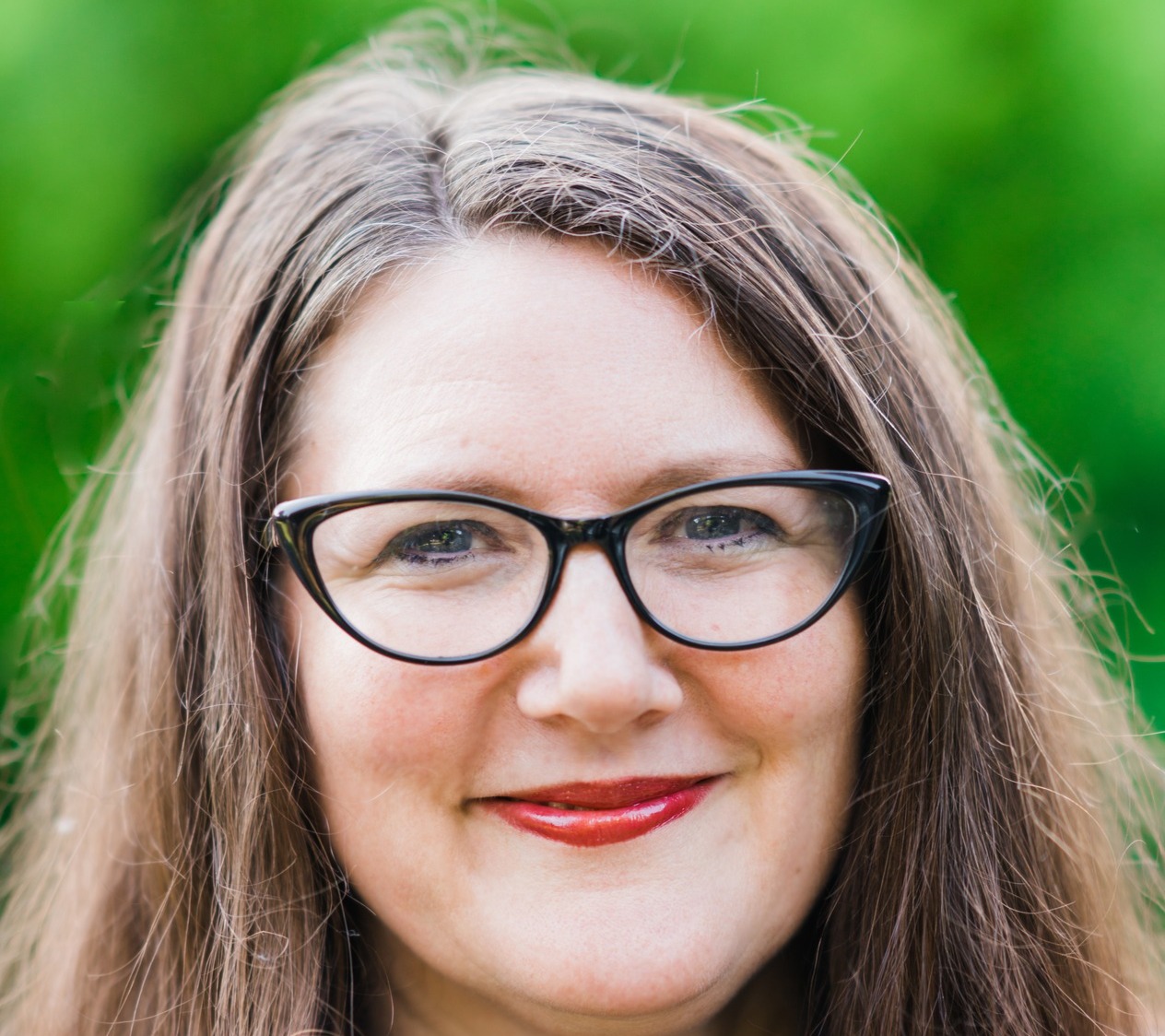
When I sat down with Billie Quiring, owner of Billie's Busy Kids, the conversation flowed easily. It was the kind of generous exchange that comes from decades of lived experience. Billie’s commitment to early learning is both personal and profound. She has been an owner for 16 years and has worked in the early learning sector for nearly 30. Her journey began not from a textbook but from necessity: finding appropriate, safe care and education for her own son, who has a disability.
Billie’s Journey into Early Learning
That search led Billie to become an in-home provider. She creatively served up to 30 children by staggering care across morning, afternoon, and after-school shifts. In the 1990s, she expanded her reach as an early learning interventionist in a program called Therapeutic Childcare. As a paraeducator, Billie worked alongside occupational therapists and speech pathologists, assisting children with social-emotional and IFSP support in a play-based environment.
She also ran a preschool day program serving infants to age 5 in partnership with CPS and the court system. This work included extensive parent education and family support. For a period, she stepped away from the field to work in finance and web-based platforms. However, the pull of early learning brought her back to open her first center.
Billie’s centers, now serving families in Marysville and Granite Falls, specialize in inclusive, play-based learning centered on the child. Billie is opening a third center in January 2026, her second center in Granite Falls. Their approach centers on the whole child, recognizing how hard it can be to find safe care for children with neurodiversity (autism, ADHD) and developmental differences. They also link families to wrap-around services and targeted interventions.
Parent education is woven into their business model. They support caregivers with the information, resources, and community they need to help their children thrive.

Changes Billie’s Seen: Evolving Practices and Rising Expectations
Billie notes that the sector has shifted noticeably toward collaboration and higher standards. More owners and educators now actively connect with early intervention services. They view linking families to resources as part of their business model and quality care. Providers are seeking stronger supports for staff and families, and there’s growing interest in culturally responsive practices.
At the same time, expectations for educational quality and staff qualifications have risen. The expansion of FMLA access in Washington has changed infant-care needs. Providers who accept infants increasingly serve higher-needs babies and more families experiencing homelessness. Additionally, child care now competes directly with free public options like Pre-K and transitional kindergarten, which influences enrollment and financial stability.
Overall, Billie sees a field that’s becoming more integrated, accountable, and responsive to diverse family needs. However, it also faces new operational and equity challenges.
Challenges for Child Care Owners: Gaps Between Policy and Practice
Billie is clear that systemic and operational challenges persist. When K-12, ECEAP, Head Start, and child care agencies collaborate, child care owners are often left out of strategic planning. Policymakers and planners sometimes lack a nuanced understanding of the early learning ecosystem. This leads to strategies that miss the practical realities centers face.
Workforce pressure is constant. Retention is low, recruitment is hard, and paying a living wage with benefits while keeping tuition affordable is a persistent struggle. Providers face steep barriers to basic business stability. These include securing loans, finding suitable locations, and attracting reliable staff. The pandemic exposed and deepened educators' mental health needs, yet sustained funding for mental health supports for early-learning staff has declined.
Service gaps frustrate her as an educator-owner. Families need drop-in and emergency care, but licensing and funding structures make flexible, short-notice options difficult to offer. Educators seeking further formalized education face challenges and barriers. Many early learning educational programs don’t provide bilingual supports or specialized support for learners with disabilities. Compensation for the skills needed in early learning remains disproportionately low.
Finally, a cultural challenge persists. Institutions sometimes look down on child care providers, underestimating the professional skill and experience required to deliver high-quality, inclusive early learning. For Billie, solving these challenges means better integration across systems, more investment in staff supports and fair pay, and policies that reflect the on-the-ground realities of running a child care program.
Advice from Billie for New Child Care Owners
If you’re considering entering the child care field, here are some valuable pieces of advice from Billie:
Hire a good accountant and an attorney who understands tax law. They’ll save you money and prevent costly mistakes.
Know your business model thoroughly. Monitor finances and margins closely.
Build networks with other providers. Collaborate with programs that offer different services. Cooperation benefits everyone.
Maintain a growth mindset. Keep learning and adapt as the early-learning landscape changes.
Learn policies and WAC rules. This knowledge helps you distinguish mandatory regulations from recommended best practices.
Get involved in shaping legislation that supports the child-care sector.
Understand that ownership is as much about people management as education. Be prepared for staffing, HR, and operational responsibilities.
Why Billie’s Work Matters
Billie Quiring’s career is rooted in a parent’s search for safe, effective care. It has grown into a professional mission: inclusive, high-quality early learning that centers each child and supports families. Her centers model how play-based, child-centered programs can integrate therapeutic supports, parent education, and community connections. Meeting Billie reinforced a key truth: effective child care requires both heart and expertise. It’s a commitment to children and families, plus the operational know-how to run a sustainable, high-quality child care business.
As Billie opens her second Granite Falls center in January 2026, her work continues to remind the community that building strong early learning systems means investing in providers, valuing their professionalism, and creating policies that let all programs succeed. Together, we can ensure that “all boats rise.”
Interviewed and written by Debbie Carlsen


Comments